Don’t Choose Your Floor Until You Understand The Role of Footwear

Why Eclipse EC rubber flooring trumps other ESD resilient flooring options: Click here to learn more about Eclipse EC Flooring Information and Downloads Eclipse RubberBrochure Eclipse RubberCard Architectural SDRubber Rubber ProductsWarranty Further Reading Choosing ESD Floors for Cleanrooms ESD requirements for cleanrooms differ from other flooring applications. We offer tips and relevant technical details to

7 Ways ShadowFX ESD Carpet Tile Differs from Commercial Carpet Tile

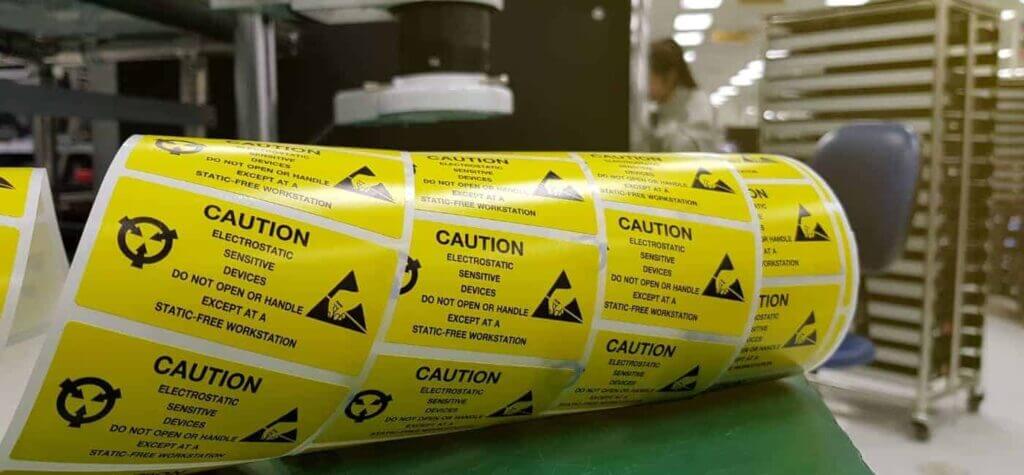
For humans to perceive an ESD event (static discharge), the charge must be at least 3000 volts. Yet a discharge of only 20 volts can damage or destroy the micro-circuits inside today’s high-speed electronic components. Protecting sensitive electronics requires a much greater reduction in static than the anti-static treatments in commercial carpets provide. This is

Ammunitions and Explosives

The handling and manufacture of ammunition and explosives requires different static protection procedures than those for handling electronic devices. The Department of Defense (DoD) manual 4145.26-M, The Contractor’s Safety Manual for Ammunition and Explosives, deals with this kind of work. This document was modified on March 13, 2008, and a change incorporated on August 31,

Exploring ESD Flooring Options for Electronics Manufacturing & Handling Applications

For electronics manufacturing and handling facilities, ESD standard S20.20 requires the use of ESD-protective footwear. Acceptable ESD footwear includes conductive heel straps, toe straps, sole straps and ESD shoes. The conductive elements in ESD-protective footwear bond with the conductive elements in the floor, creating a reliable ground connection and protecting the wearer against potential shocks

Flooring for Electronics Manufacturing & Handling Applications

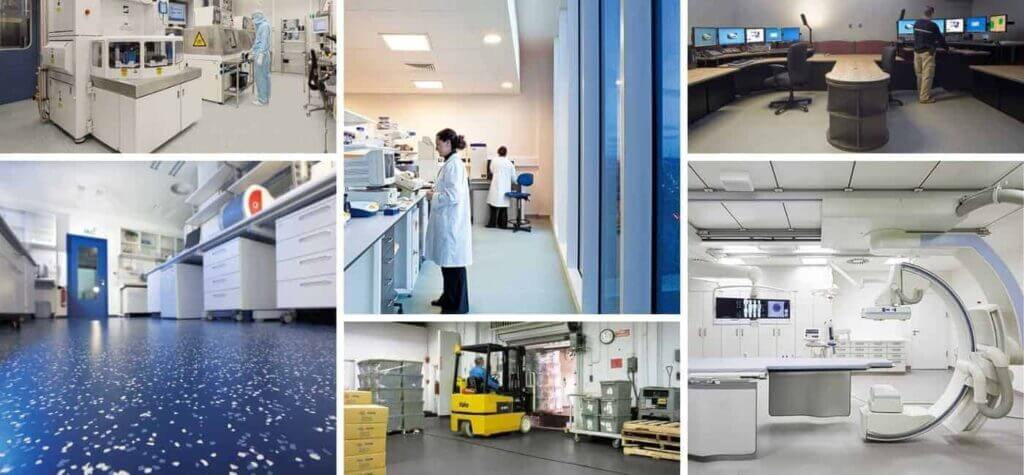
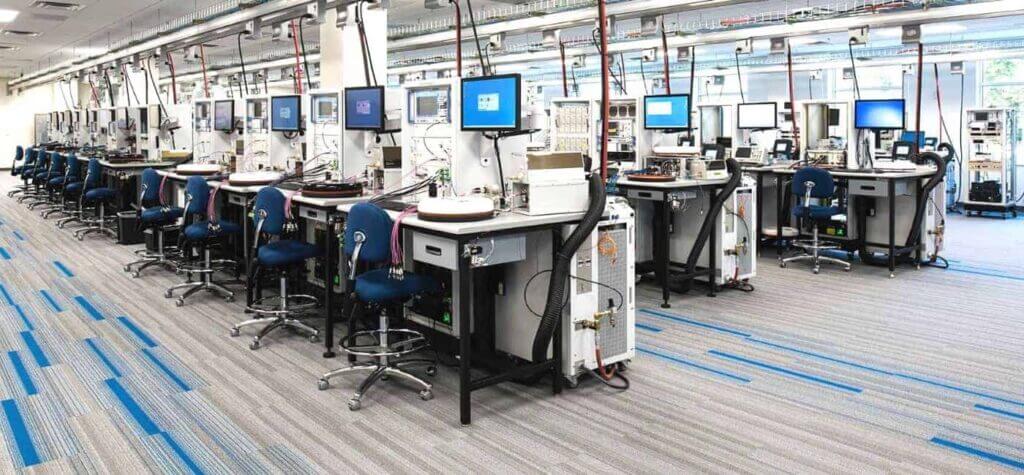
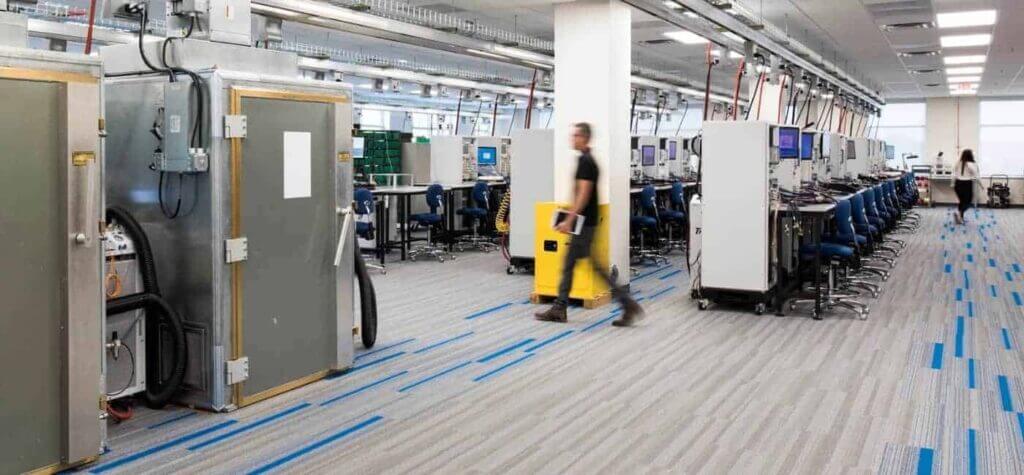
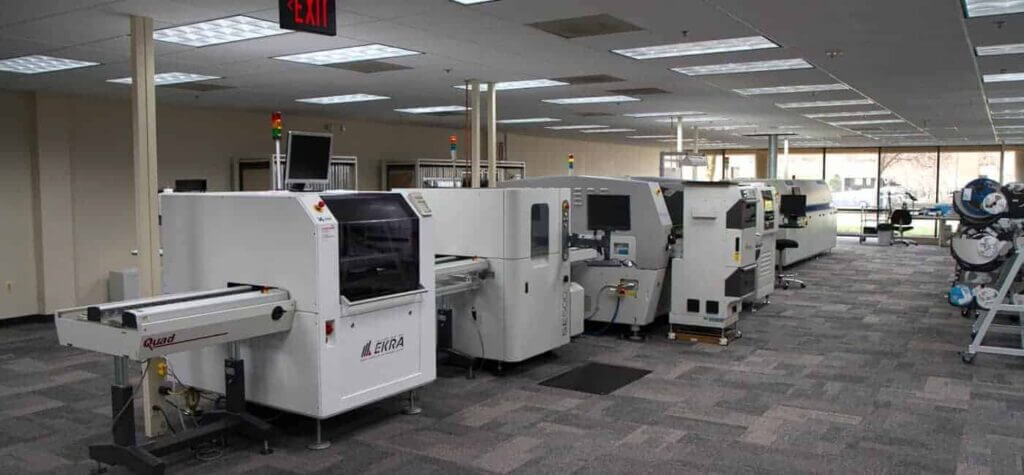
Electronics industry flooring applications—including electronics manufacturing facilities, microelectronics fabrication, circuit board assembly, box build, electronics test and repair, cleanrooms, labs and R&D facilities—have more stringent static-control requirements than do most other applications. Electronic equipment with highly sensitive microcircuits is particularly susceptible to damage caused by the sudden spike in electrical current that results from random