With Fifth Appearance on the Inc. 5000 List, StaticWorx Makes the Inc. 5000 Honor Roll
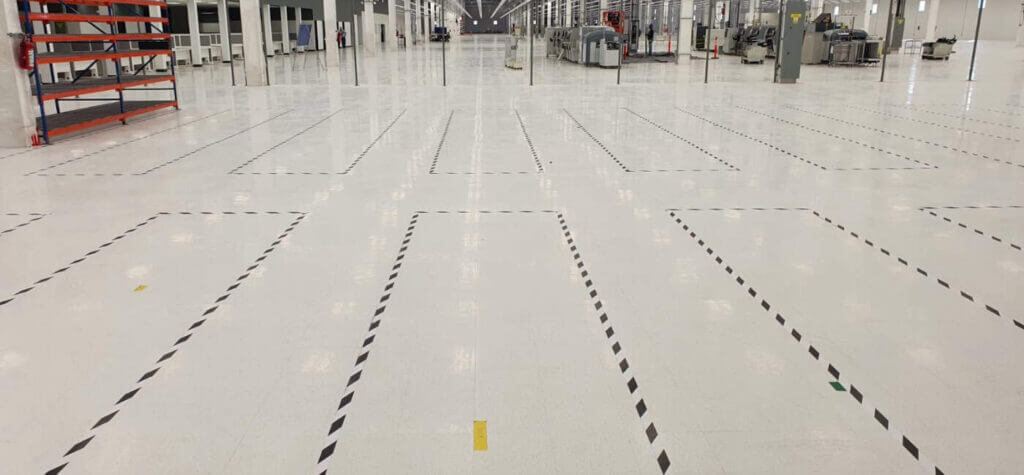
We’re pleased to announce that StaticWorx has made the 2024 Inc. 5000 list of fastest-growing privately-held companies in the U.S. – our fifth appearance on the prestigious Inc. 5000 list. The list, released annually by Inc. Magazine, showcases the most successful and dynamic privately-owned companies in America. We are honored to stand among businesses such as Intuit,

Glue-Down Versus Interlocking ESD Tile: Which is Better?

What are the advantages and disadvantages of glue-down versus interlocking flooring? This post provides a comparison of the advantages and disadvantages of installing glue-down flooring versus interlocking flooring. Please note that some of the differences are in the product construction, and not just the installation method. StaticWorx provides both types of flooring. The information below

Choosing the Right Cleaning Supplies to Protect Your ESD Floor

An electrostatic discharge (ESD) floor is critical for mitigating static electricity in any facility that manufactures or handles sensitive electronic components or equipment. ESD floors are designed to prevent the buildup of static electricity (be antistatic) and dissipate charges to ground (have inherent, measurable conductivity). To maintain the effectiveness and electrical performance of an ESD

Static Dissipative Flooring – What It Is & Why You Need It

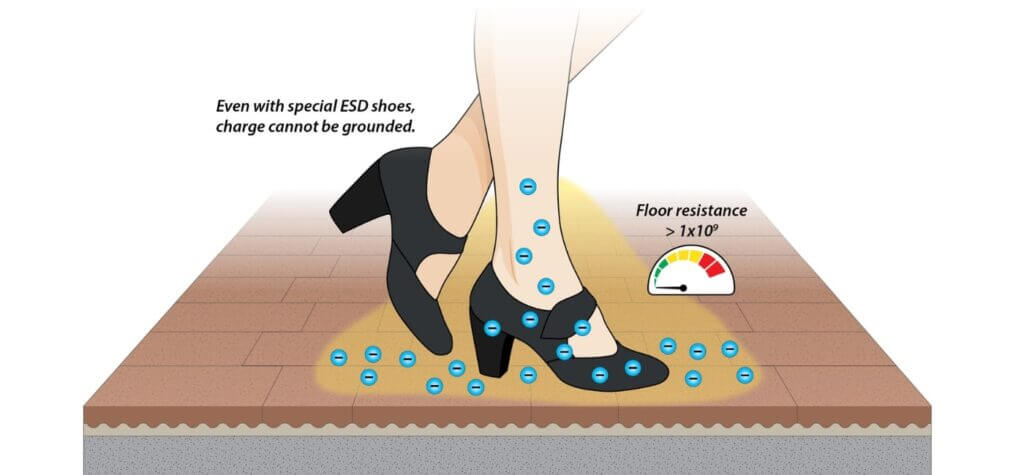
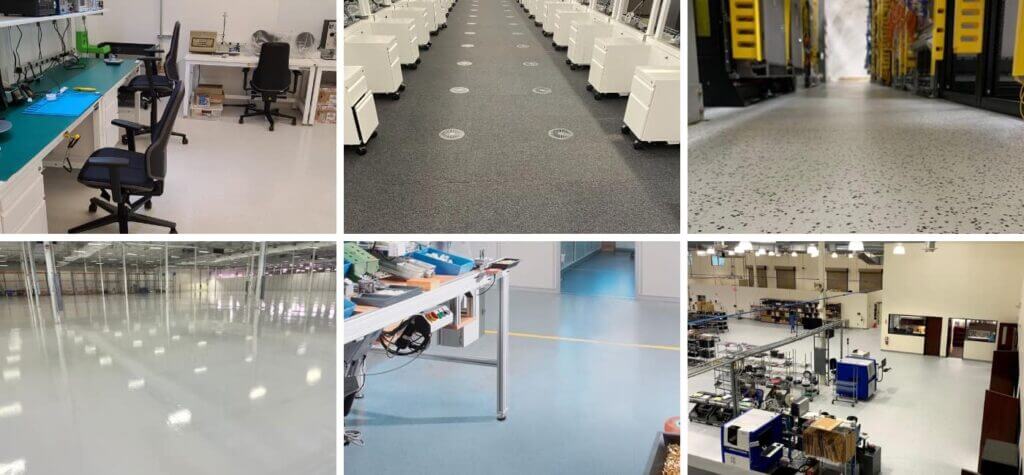
Static-dissipative flooring is a type of specialized flooring designed to minimize the buildup of static electricity and dissipate static charges to ground. This type of flooring is commonly used in environments where random electrostatic discharge (ESD) events pose a risk to sensitive electronic equipment, flammable materials, or human safety. Static electricity is an invisible phenomenon

StaticWorx Recognized As One of The Fastest Growing Private Companies in the U.S. (2023)

Fourth Appearance on Inc. 5000: A Testament to Excellence, Innovation, and Customer Service. StaticWorx is thrilled to share the news that we have been named to Inc. Magazine’s Inc. 5000* list of the 5000 fastest-growing private companies in the U.S. A four-time honoree, our place on the 2023 list reflects 76% growth between 2020 and

Static-Dissipative and Conductive Flooring, How They Differ & Why It Matters

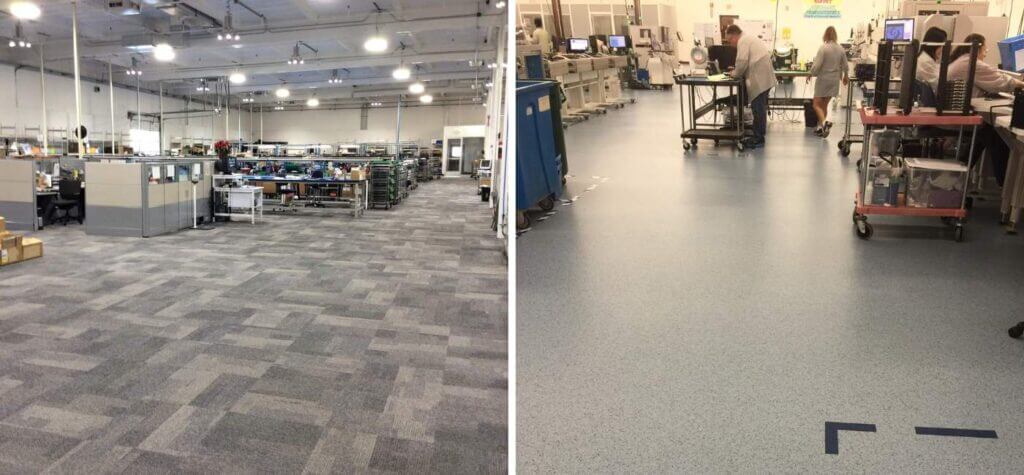
Flooring is a crucial element in any industrial and commercial setting. Flooring that controls electrostatic discharge (ESD) is critical in facilities where static electricity is a concern. In these environments, conductive and static dissipative flooring can be used to protect sensitive electronic equipment from damage caused by random ESD events. Conductive and static dissipative flooring

3 Best Ways to Test an ESD Floor to Ensure Reliability

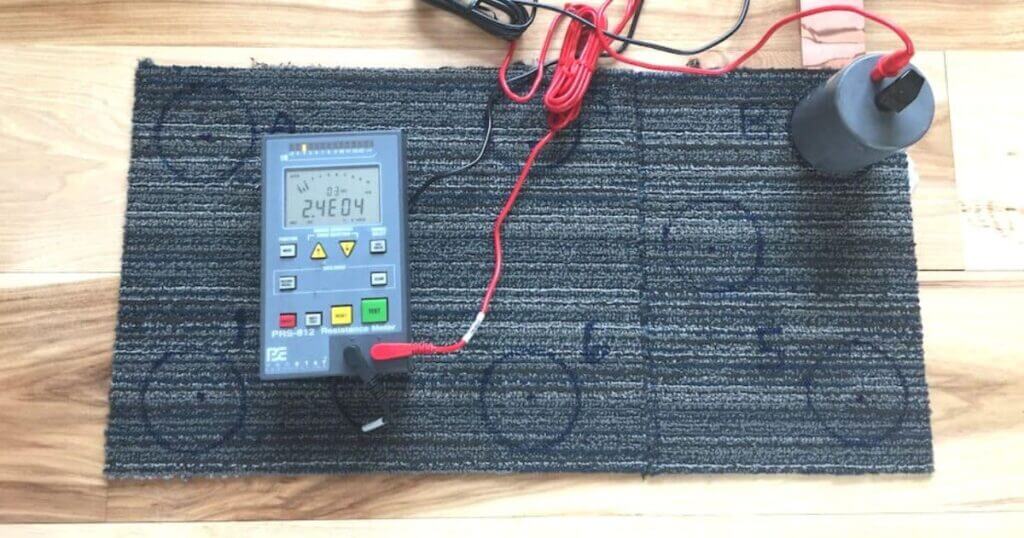
Electrostatic discharge (ESD) is a serious concern in many industries, particularly those that involve the manufacturing and/or handling of electronic components or sensitive equipment. ESD is typically caused by the zap that occurs when a person carrying a static charge on their body touches sensitive electronics. ESD can damage or destroy electronic components, leading to

Static-Dissipative or Conductive Flooring: Which is Right for You?

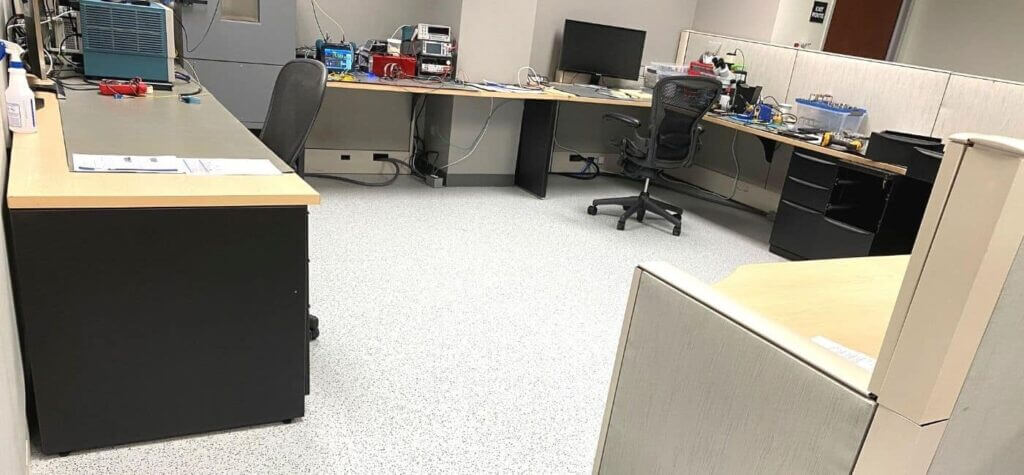
When selecting electrostatic discharge (ESD) flooring for a facility that manufactures, handles or uses electronic equipment, there are two main options: conductive and static dissipative. Both are ESD floors, designed to prevent electrostatic discharge events that could potentially damage or destroy sensitive electronic devices or ignite explosives. ESD flooring works by drawing static away from